
large sheet mirror for wall
Understanding Plain Plug Gauges A Comprehensive Overview Plain plug gauges play a crucial role in the realm of precision measurement, particularly in the manufacturing and engineering sectors. These simple yet effective tools are designed to measure the dimensions of holes, ensuring that their diameters are within specified tolerances. By providing a quick and efficient means of verifying hole sizes, plain plug gauges help maintain the quality of manufactured parts and assemblies. What is a Plain Plug Gauge? A plain plug gauge is a cylindrical tool made to fit into a hole of known size. Typically constructed from high-grade materials such as steel, these gauges are precision-engineered to meet stringent tolerances. The design of a plain plug gauge is straightforward; it features a smooth, cylindrical shape that allows it to be inserted into a hole for verification. There are generally two types of plain plug gauges go gauges and no-go gauges. - Go Gauge This part is designed to fit perfectly into the hole at the maximum allowable size. If the go gauge fits, it indicates that the hole is acceptable and within tolerance. - No-Go Gauge Conversely, the no-go gauge is slightly larger than the permissible size of the hole. If the no-go gauge does not fit, it confirms that the hole is not larger than the specified limit. Importance in Manufacturing The significance of plain plug gauges in manufacturing cannot be overstated. They serve multiple purposes 1. Quality Control Plain plug gauges are indispensable in quality assurance processes . They help ensure that parts produced are of the correct dimensions, which is critical for parts that must fit together in assemblies. plain plug gauge 2. Cost Efficiency Using plug gauges effectively reduces inspection time and identifies defective parts early in the production process. This capability helps avoid the expenses associated with rework or scrap. 3. Standardization Plug gauges promote standardization in manufacturing processes. By adhering to set dimensional tolerances, manufacturers can ensure uniformity across production lines. Types of Materials Used The accuracy and durability of plain plug gauges depend significantly on the materials used in their construction. High-carbon steel is commonly employed because of its hardness and resistance to wear. Additionally, some plug gauges are made from stainless steel or carbide for enhanced durability and resistance to corrosion. The choice of material often hinges on the specific application and environmental factors in which the gauge will be utilized. Calibration and Maintenance Like any precision measuring tool, plain plug gauges require regular calibration and maintenance to ensure their accuracy. Calibration involves checking the gauges against certified standards and making necessary adjustments. Proper storage is also important; gauges should be stored in protective cases to prevent physical damage and contamination. It is advisable to inspect plug gauges routinely for signs of wear or damage, as even the slightest deformation can lead to inaccurate measurements. Conclusion In conclusion, plain plug gauges are essential tools in the manufacturing sector, offering an efficient means of ensuring the dimensional accuracy of holes within parts. By facilitating rigorous quality control measures, enhancing cost efficiency, and promoting standardization, they play a pivotal role in the production process. Understanding their function and importance, as well as ensuring proper maintenance and calibration, can significantly contribute to the success and precision of manufacturing operations. As industries increasingly strive for quality and efficiency, the role of plain plug gauges remains more relevant than ever in achieving these goals.
about
large sheet mirror for wall
How to Turn Off the Water Valve A Step-by-Step Guide In any household, knowing how to turn off the water valve can be a crucial skill. Whether you are dealing with a leak, preparing for plumbing repairs, or dealing with an emergency situation, having the ability to shut off the water supply can save you time, money, and prevent further damage. This article will guide you through the process of locating and turning off your water valve, as well as provide some useful tips for maintaining your plumbing system. Understanding the Water Valve The water valve is a crucial component of your plumbing system. It controls the flow of water into your home and is typically located near the main water line. In many cases, there are two main types of water valves you should be aware of the main shut-off valve and individual fixture shut-off valves. The main valve controls the water supply to your entire home, while individual fixture shut-off valves are located near sinks, toilets, or appliances. Locating the Main Water Shut-Off Valve Before you experience a plumbing issue, it’s essential to know where your main shut-off valve is located. Common places include 1. Basement or Crawl Space In many homes, the main valve is situated in the basement or a crawl space close to where the water line enters the house. 2. Outside Some homes have their main shut-off valve located outside, often in an underground pit or in a box near the foundation. 3. Utility Room In certain houses, the valve may be found in a utility room where the water heater and other plumbing fixtures reside. Turning Off the Water Valve Once you’ve located your main shut-off valve, turning it off is a straightforward process 1. Identify the Type of Valve The two most common types of valves are gate valves and ball valves. A gate valve typically has a round or oval handle, while a ball valve has a lever-style handle. 2. For a Gate Valve To turn off a gate valve, you will need to turn the handle clockwise until it stops . It may require some effort, especially if it hasn’t been turned in a long time. turn off water valve 3. For a Ball Valve Simply turn the lever perpendicular to the pipe. A 90-degree turn should close the valve completely. After shutting off the valve, you may want to open some faucets in your home to relieve pressure in the pipes and ensure the water supply is fully turned off. Individual Fixture Shut-Off Valves In addition to the main shut-off valve, familiarize yourself with the shut-off valves for individual fixtures. These are particularly useful for small leaks or repairs without turning off the water for the entire house. They are typically located - Under Kitchen and Bathroom Sinks Look for small valves attached to the water pipes. - Behind Toilets Most toilets have a valve on the wall or floor near the base. To turn these off, simply twist the valve handle clockwise until it stops. What to Do After Turning Off the Water After you’ve successfully shut off the water, it’s essential to assess the situation - Check for Leaks Inspect the area for any ongoing leaks or damages. - Make Necessary Repairs Whether it’s patching a leak or replacing a fixture, now is the time to address plumbing issues while the water is off. - Consider Professional Help If you are unsure about the severity of the problem or the repairs needed, call a professional plumber for assistance. Maintenance Tips To ensure your water valve functions properly when you need it, perform regular maintenance - Test Your Valves Regularly Exercise your valves every few months by turning them on and off. This helps prevent them from seizing up. - Inspect for Corrosion Look for any signs of rust or damage, particularly on older valves, and replace them if necessary. - Know Your Plumbing System Understanding your plumbing layout will make it easier to locate and operate the valves in emergencies. In conclusion, knowing how to turn off the water valve in your home is an invaluable skill. Whether you're preparing for repairs or handling emergencies, being proactive and equipped with knowledge can prevent stress and costly damages. Make it a habit to familiarize yourself with your plumbing system, and you’ll be better prepared for any situation that arises.
-

High quality industrial productsagement

High quality industrial products
View Details -

Meet the diverse needs of customers

Meet the diverse needs of customers
View Details -

Strict quality control

Strict quality control
View Details -

Top raw materials

Top raw materials
View Details -

Trusted supplier

Trusted supplier
View Details
Our application


news and information
và van cổng
Van khóa cửa là một trong những thành phần thiết yếu trong hệ thống ống dẫn, đặc biệt trong các ngàn
Vérificateur anti-retour pour prévenir les refoulements dans les systèmes de canalisation
La Soupape Anti-retour Une Protection Essentielle dans les Systèmes Hydraulique La soupape anti-ret
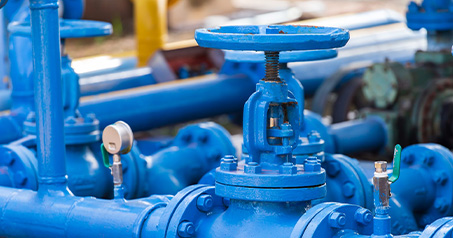
Y Type Water Strainer for Efficient Filtration and Flow Control Solutions
Understanding Y-Type Water Strainers Functionality and Applications Water strainers are essential co
 English